Want a Different Holiday? Try Nature Volunteering

img 20250818 wa0042

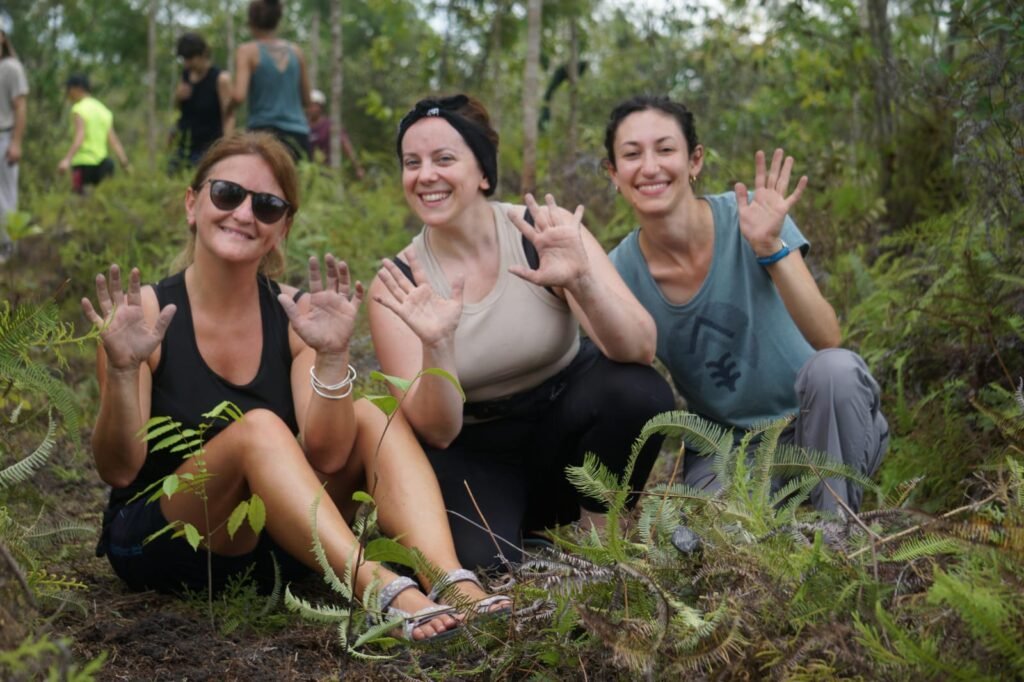
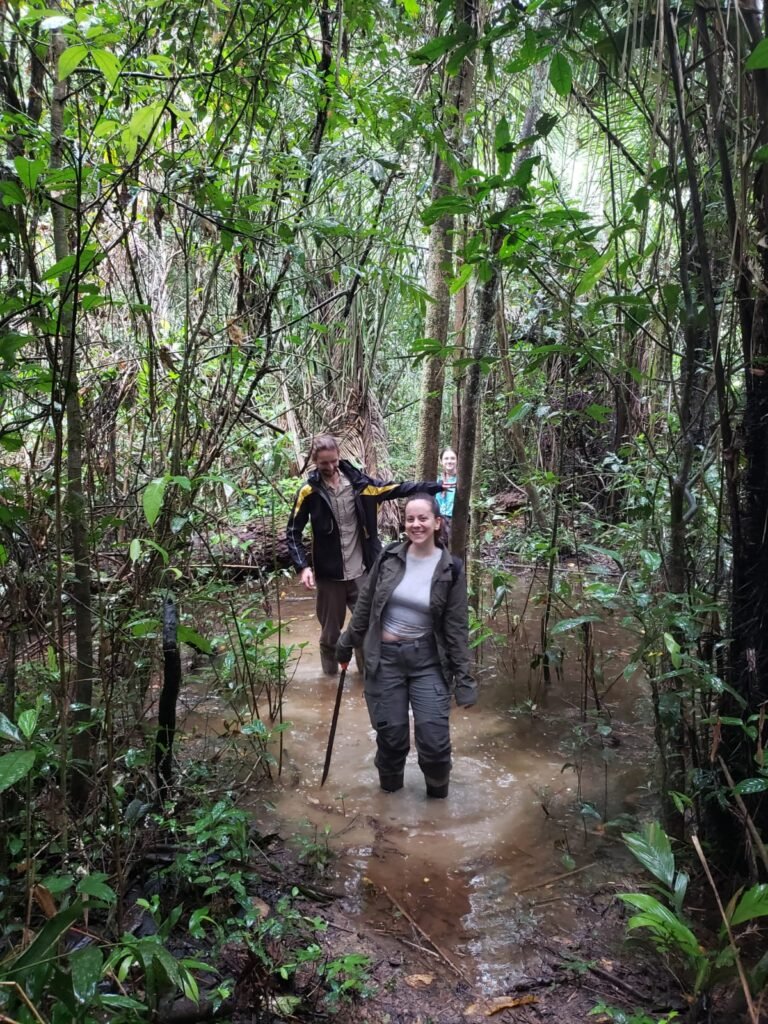
Planting trees in Kalimantan, Indonesia, together with F.N.P.F., an organisation that protects the ancient forests of Borneo. Feeling really proud to be part of their reforestation mission.

I’m going to propose a completely different kind of travel from what we are usually sold.

Forget resorts, swimming pools and perfectly packaged tourist experiences. Instead, embrace adventure, adaptability and the bare essentials. Swim in rivers, lakes or the ocean. Wake up surrounded by nature. Connect with people you would probably never meet on a conventional holiday. And discover the immense beauty of this planet, and perhaps, a part of yourself you didn’t know was there.

That is exactly what happened to me when I started travelling for nature conservation.

So, let’s start from the beginning.

I have always loved travelling. Sometimes I travelled with agencies, sometimes I organised everything myself. But over time I found myself looking for experiences beyond the usual tourist trail.

It gradually stopped being only about where I was going.

It became about why I was going.

I wanted to combine the joy of discovery with something meaningful, to make my presence beneficial, rather than simply passing through.

And what could that purpose be for me?

Nature.

Nature has something magnetic, doesn’t it?

The forests of Borneo, the Amazon, the open ocean, the African savanna. These places have inhabited our imagination since childhood (maybe Disney deserves some of the credit) even though they can feel incredibly distant from our everyday lives.

I have always dreamed of visiting them.

But there is something you should know.

Some of the places and species that have fascinated us for generations are changing, and some may disappear altogether.

According to the United Nations Environment Programme, around one million of the estimated eight million plant and animal species on Earth are threatened with extinction. 

It is not exactly the most cheerful thought to take on holiday.

But we still have a chance to do something.

So, what if your next holiday could take you somewhere wild and beautiful, while helping protect the very place you came to experience?

In this article I will show you how to find nature volunteering and conservation projects around the world, even without previous experience, and what to ask before committing your time and money.

It’s all about finding the right project.

Start With a Different Purpose

  1. Why Nature? Can Travelling Actually Make a Difference?
  2. Is Nature Volunteering Really for You?
  3. How to Find Projects Around the World
  4. How Do We Recognize a Responsible Volunteering Project?
  5. What Is It Really Like to Volunteer in Nature?
  6. Useful links

Why Nature? Can Travelling Actually Make a Difference?

thethys globi

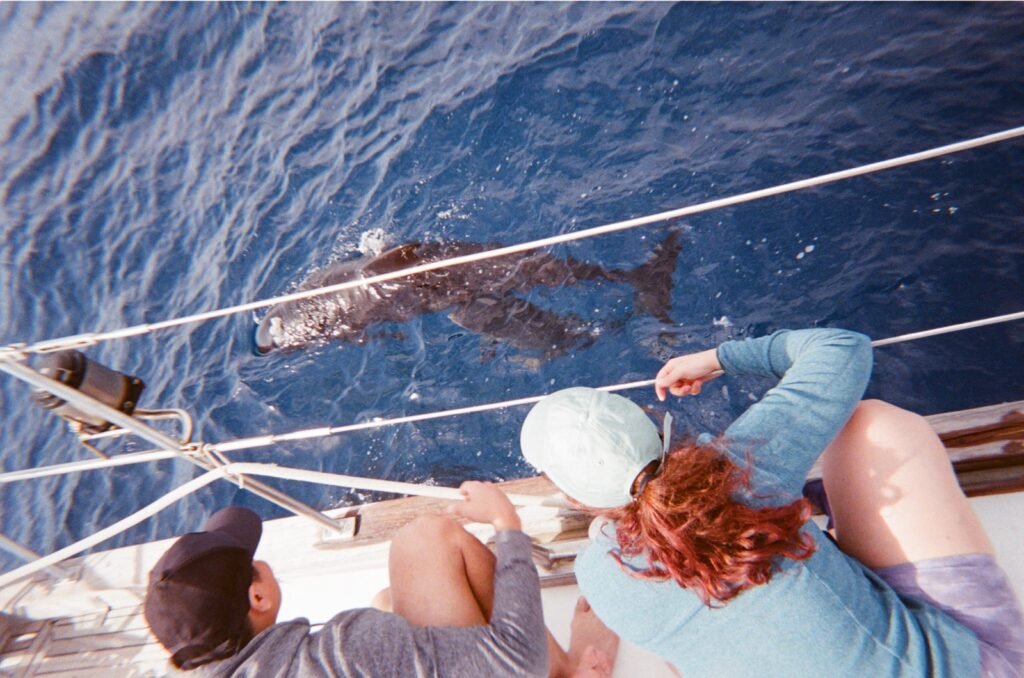
Observing one of the most fascinating creatures of the Mediterranean Sea: the Pilot Whale. We felt blessed that day with Tethys when we encountered an entire pod, including little calfs with their mothers.

Why nature?

That is a question I’m still asking myself. And the answer can get quite personal, touching on what I think about humans, reality and even the meaning of life… but that is getting a little too philosophical for me.

So let’s cut to the chase and call it an irresistible attraction to nature.

I wanted to explore new possibilities beyond perfectly packaged tourist experiences. 

I wanted to experience that mixture of surprise and joy, that ancient, almost primitive emotion you feel when you spot a wild creature in its natural habitat.

But I also wanted to understand how people live in certain places with such an extraordinary natural heritage, and what it means to protect them.

That curiosity took me on my first conservation trip with Tethys in the Mediterranean, taking part in a citizen science programme focused on marine mammal research.

Yes, there are whales in the Mediterranean Sea!

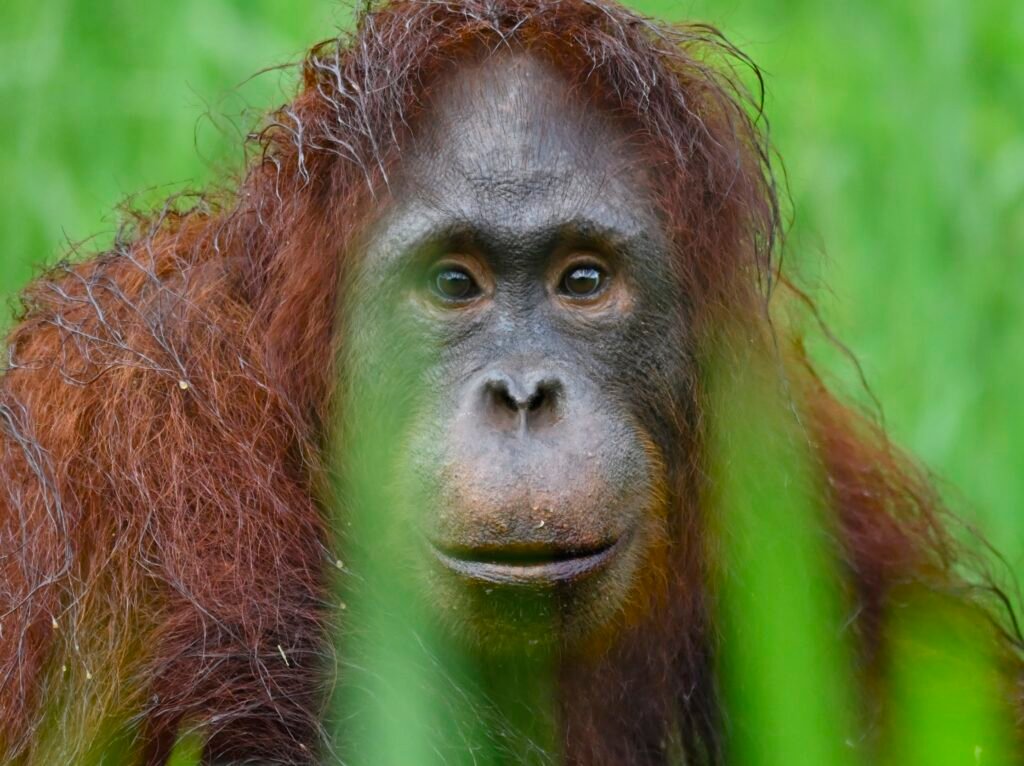
It also took me to Borneo with KeepThePlanet, where I discovered the forest, and the foresters who dedicate their lives to protecting it.

These journeys turned out to be much more than holidays.

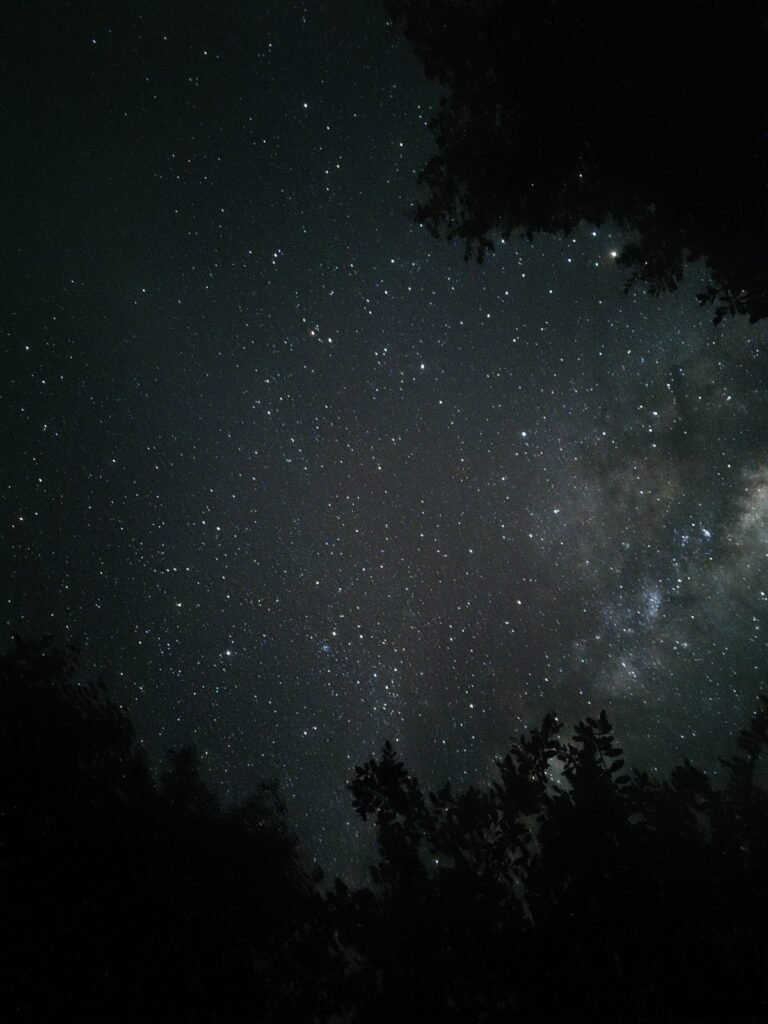
I met incredible people! The kind of people you could write a book about, learn from, and share values with. I experienced that indescribable rush of surprise of spotting wild animals in their natural environment, and even walked barefoot through the forest, wondering where that ancient feeling of connection with nature comes from.

But, perhaps most importantly, these experiences opened my eyes to what is happening beyond the places we normally see as tourists.

I began to understand how important conservation and scientific research are in protecting species and habitats from growing human pressure. And this is not just a feeling: research shows that, when properly designed and supervised, citizen science and volunteer programmes can make a real contribution to conservation, including through biodiversity monitoring and data collection. One study in Indonesia found that volunteers contributed 50.8% of the data collected by a conservation project.

Because ultimately, protecting nature is not only about saving beautiful places or fascinating animals.

It is about protecting the systems that make our own lives possible.

You don’t need to be a scientist, a young student, or able to spend months in the jungle.

You just need to find the right opportunity.

Sometimes, even a small contribution can become part of something much bigger.

Is Nature Volunteering Really for You?

At this point, you might be asking yourself: what exactly does “nature volunteering” mean? And, in practice, what would I actually be doing?

It can involve many different things.

From monitoring whales in the Mediterranean to planting trees in a rainforest, collecting data for researchers or helping restore habitats, nature volunteering can take you to extraordinary places while allowing you to contribute to conservation.

What Can You Actually Do as a Nature Volunteer?

Nature volunteering can give you the opportunity to spend time in areas of exceptional biodiversity and help researchers.

But let me clarify something straight away: nature volunteering is usually not free.

In most cases, volunteers contribute towards accommodation, food, transport or the costs of running the project. Paid positions, or opportunities offering only food and accommodation in exchange for your work, are much rarer and often require specific skills.

Costs vary depending on the location, duration, what is included and whether you book directly with the organisation or through an intermediary.

So, what can you actually do?

Well… we are pretty much spoilt for choice.

Depending on the project, nature volunteering can include, but it is not limited to:

  • wildlife or marine conservation;
  • biodiversity and species monitoring;
  • ecological research and citizen science;
  • habitat and forest restoration;
  • support for indigenous communities and locally led conservation;
  • environmental education;
  • conservation photog<raphy and documentation.

And conservation is not just about animals and the environment.

It is also about people.

Indigenous peoples and local communities play an important role in managing and protecting many of the world’s most biodiverse territories. According to UNESCO, more than 25% of the world’s land area is owned, occupied or used by Indigenous Peoples.

Some conservation projects therefore work with communities to protect their territories, traditional knowledge and natural resources.

Real conservation is much bigger than saving a single species. It brings together nature, science, local communities, traditional knowledge and every person who simply wants to help.

Depending on where you go, your days in the field might look completely different.

You could find yourself:

  • collecting data by monitoring species to record animal sightings;
  • maintaining trails or helping with construction work;
  • caring for animals in wildlife rescue centres;
  • removing invasive species;
  • taking part in beach clean-ups;
  • restoring habitats or planting trees.

But you don’t necessarily have to work directly with nature to contribute.

Do you have skills in marketing, finance, education, software or web development? Are you a photographer, graphic designer, or communicator?

Conservation organisations need those assets too.

There is always work to be done.

And what do you get in return?

Well… I think these photos may have something to say about that.

z626861 01
img 20250815 wa0050
img 20250814 163426
img 20260305 wa0061

Is Nature Volunteering Really for You? Age, Time, Experience and Family

There is something reassuring about remembering that conservation is not only the responsibility of scientists, governments or huge organisations.

As Jane Goodall famously put it:

“Every individual matters. Every individual has a role to play. Every individual makes a difference.”

I didn’t know exactly what my role could be either. I simply decided to start looking.

When I went to Borneo for the first time, I had no experience in the field. My academic background was far from forestry or biodiversity: I studied biomedical engineering and my job is about as sedentary as it gets.

And I could only spend a couple of weeks there.

No conservation degree. No years of field experience. No six-month sabbatical — yet. No sudden decision to abandon civilization and move into the jungle — yet. 😄

During my experiences, I met people of all ages, from 18 to 60, with completely different backgrounds and stories. I even met couples and families taking part together.

Of course, some projects require specific qualifications, physical abilities or previous experience. But many are open or people who are simply willing to learn and get involved.

You don’t have to fit the stereotypical image of a conservationist to contribute.

You just need to find a project that fits you: your time, your abilities, your interests and, yes, even your level of comfort with mud.

How to Find Projects Around the World

img 20250813 083815

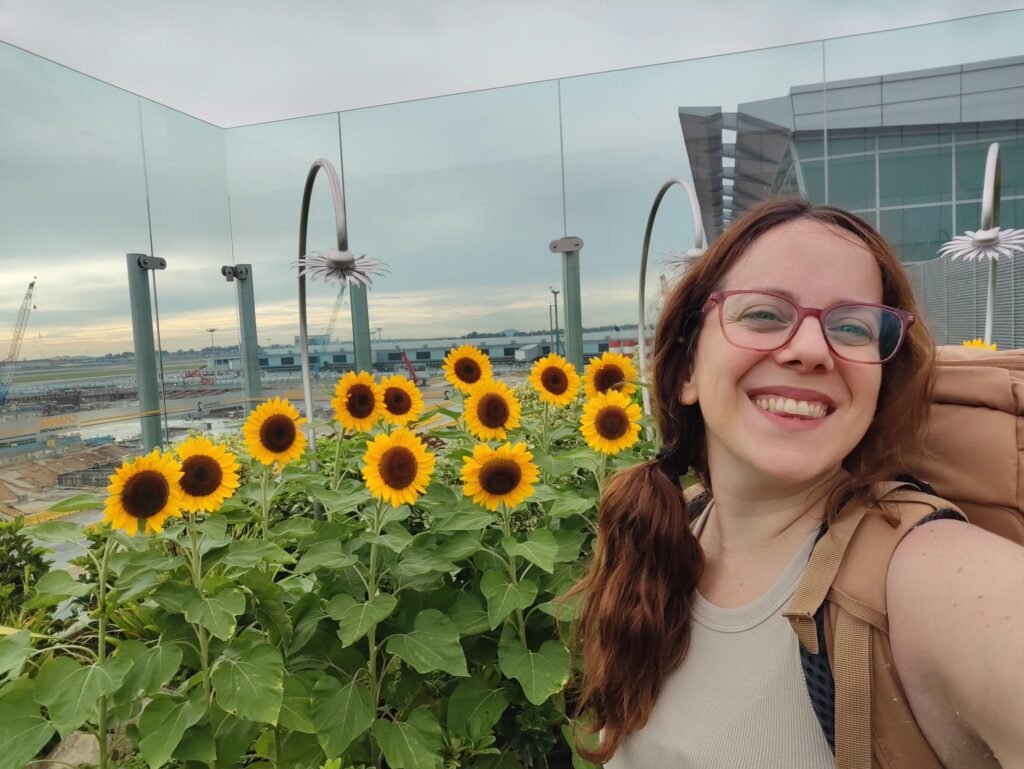
Pit stop in Singapore airport, ready for my first trip discovering Indonesia.

So, you’ve decided you want to try nature volunteering.

Now comes the slightly less glamorous part: finding the right project.

Start by thinking about the places, environments or animals you would love to see with your own eyes.


Forest? Ocean? Wildlife rescue? Birds? Marine mammals? Turtles?


Then consider your actual resources:

  • How much time do you have? 
  • What is your budget? 
  • How far are you willing to travel?

You could also combine volunteering with exploring a country, as I did in Peru (I’ll tell you more about that soon!)

But be warned: you will need loooooots of patience sometimes.

Especially when contacting smaller, local organisations directly. These opportunities are not always widely advertised, and many organisations simply don’t have a marketing department answering enquiries all day. They may be busy doing actual conservation work.

So, don’t take a slow reply personally. You may just need to send a polite “gentle reminder”.

And if you’re volunteering in countries such as Colombia, knowing some Spanish can make communication much easier.

Where to Look

Once you have an idea of what kind of activities interest you and where you would like to go, you can start your search.

For example, if you want to volunteer in the Ecuadorian Amazon, look for organisations managing national parks and protected areas. Their websites may publish calls for volunteering opportunities.

You can also simply browse as:

“marine conservation volunteer Philippines”

“wildlife research volunteer Africa”

“biodiversity monitoring volunteer Europe”

“forest conservation volunteer Borneo”

“rescue centre volunteer Costa Rica”

Don’t underestimate the power of a very simple browser search.

The results might lead you to very different kinds of organisations, including:

NGOs; universities and research institutes; national parks and protected areas; wildlife rescue centres; locally led conservation organisations.

Extra tip!

Try to contact the local organisation directly rather than looking only at opportunities offered by intermediary companies. You may save some money this way.

You can also browse platforms such as Worldpackers.com, Volunteerworld.com, and Workaway.info to discover ecoprojects. 

Once you find something interesting, explore the website carefully and, if it looks like a good fit, get in touch.

And remember:

Be patient. Try to contact multiple projects at a time.

Some organisations also offer ecotourism experiences, which can be a good way to get to know a project before committing to a longer volunteering experience. I did this in Borneo, and I really want to go back there. <3

If possible, speak to someone directly. A phone call is useful. A video call is even better.

Prepare and ask questions about the project, how to get there, what to bring, accommodation, who you will be working with, what your daily activities will look like, and anything else that matters to you.

And, SUPER important: try to understand if the organization is responsible.

I’ll explain more in the next section.

My Personal List

Here are some entities where I have personally contributed, followed by a few that are still on my wish list.

  • 🌿 Friends of Nature, People and Forest — FNPF is one of the organisations I have personally experienced. I spent ten days at their base camp in Borneo, Kalimantan, through the KeepThePlanet. I also spent a couple of days at their bird sanctuary in Nusa Penida, where they are working to reintroduce the Bali starling, a critically endangered bird.

           It was one of the most beautiful and emotional experiences of my entire life.

  • 🌿 Keep The Planet is an Italian tour operator focused on nature conservation trips. The website is a useful starting point for discovering destinations. You can get in touch in English, or Italian, of course. 😉
  • 🌊 Tethys — Cetacean Sanctuary Research offers short citizen science experiences, typically for one week, in the Mediterranean Sea.I joined one of their cruises and took part in whale and dolphin research. For a few days, I got to put myself in the shoes of a marine researcher. Spotting those incredible animals in the wild was unforgettable.
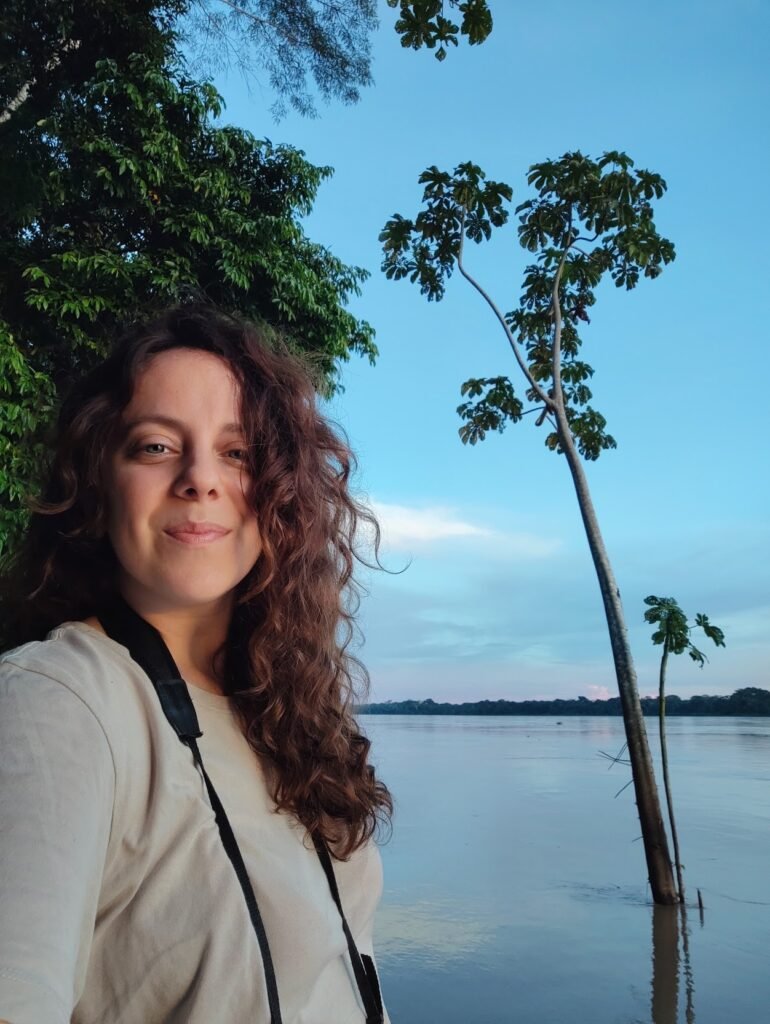
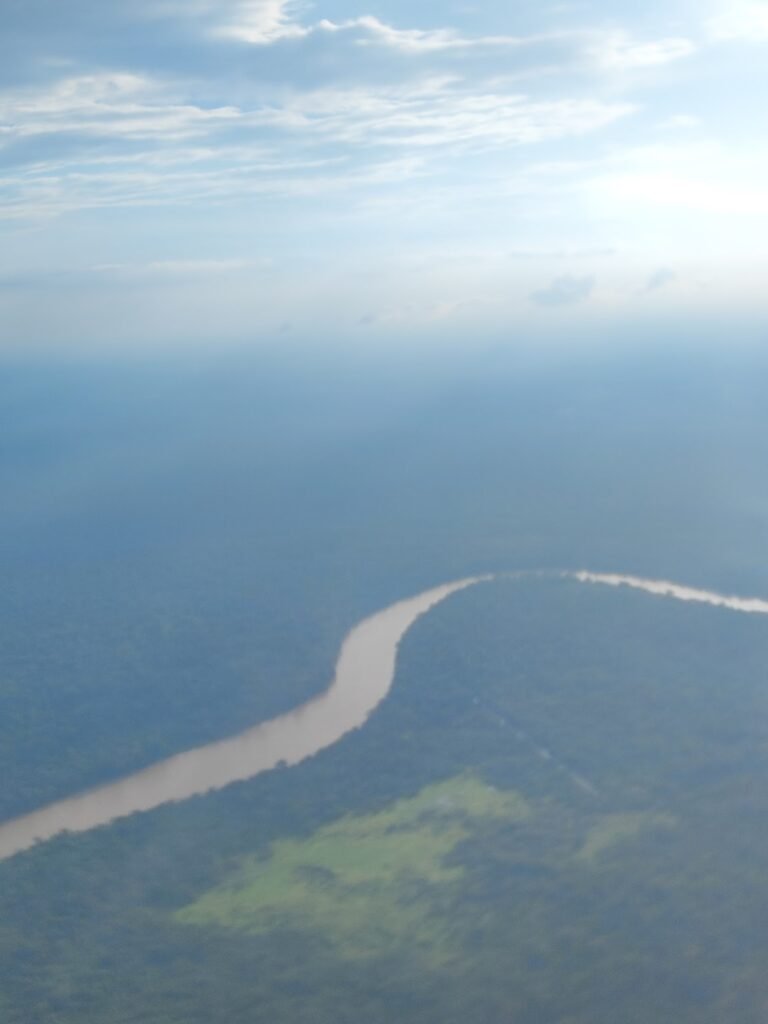
  • 🌳 Kawsay Biostation is a research and conservation base in the Peruvian Amazon, where I volunteered for one month, surrounded by trees, monkeys and an incredible variety of wildlife.


My wish list (one conservation trip is never enough!):

  • 🌳EWAO Project a community-led project in the Waorani territory in Ecuador, focused on forest, and indigenous culture protection.
  • 🐢 Filicudi Wildlife Conservation a non-profit association dedicated to the study and conservation of marine life in the Aeolian Archipelago, particularly cetaceans and sea turtles.
  • 🐆 Hey Camilli an Italian field ranger working in South Africa and organising experiences connected with African wildlife conservation. I suggest having a look at her Instagram profile as well.
  • 🦁 LEO Africa a South Africa volunteer program involving wildlife, and environmental education around sustainable living.

These are only some of the organisations and projects I have come across.

Sometimes, the most interesting opportunities are not the ones with the biggest advertising budget.

And once you find one that looks promising, there is one more question you need to answer:

Is it actually a responsible project?
How Do We Recognize a Responsible Volunteering Project?

img 20260215 153931

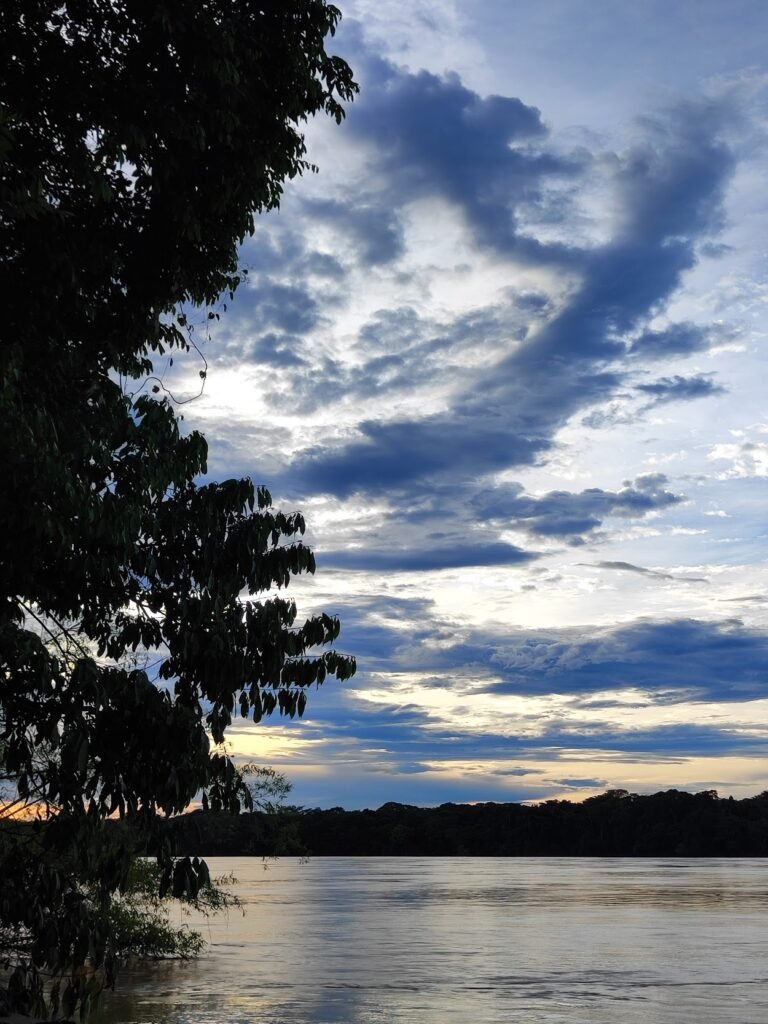
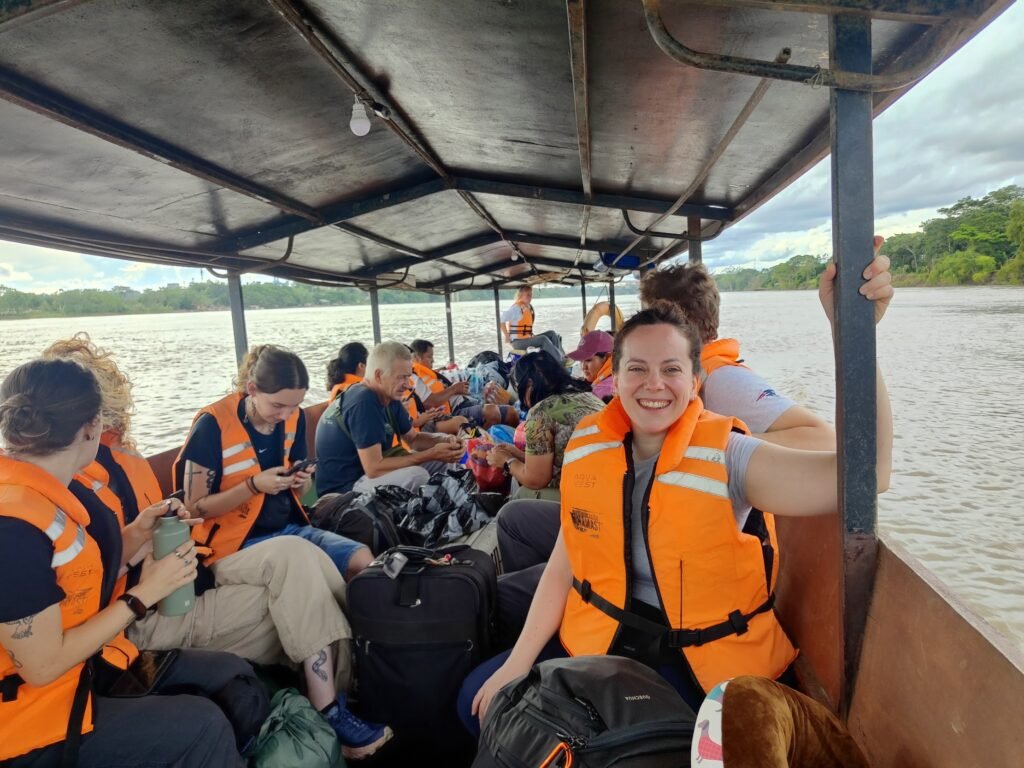
On the boat to Kawsay, in the Peruvian Amazon rainforest.

We might have the best intentions in the world. We might genuinely love animals and nature.

But we also need to understand what it really means to love them.

Sometimes, activities that look helpful can actually contribute to stress, exploitation or poor conservation practices.

Here are some key aspects to ensure:


No-contact policy

Responsible wildlife projects generally do not allow volunteers to touch, hold, ride or walk with wild animals simply for the experience.

Physical contact should only happen when genuinely necessary for conservation, and should be handled by trained professionals.

If the main attraction is “come and cuddle the animals”, that’s a pretty good reason to walk away.

→ Ask: “How are the animals treated?”


Research and monitoring focus

What will you actually do?

Data collecting, species monitoring, habitat restoring, support research or environmental education?

Animals must not be bred, kept, or traded to support the volunteering programme itself. Otherwise, you might have encountered a tourist designed activity.

→ Ask: “What is the project’s conservation impact?”


Appropriate expertise

Volunteer supervisors should have the necessary knowledge and experience.

Depending on the activity, this could include ecologists, conservation biologists, wildlife veterinarians, researchers or experienced field staff.

→ Ask: “Who will supervise/guide me, and what is their experience?”


Local communities involvement

Responsible projects should involve local or Indigenous communities in meaningful ways, through employment, education, conservation leadership or sustainable economic opportunities.

→ Ask: “How are local communities involved?”


Financial Transparency

Find out where your money goes. Accommodation, food and local staff, or also support research, equipment, activities. If an organisation becomes strangely vague about its finances… pay attention.

→ Ask: “How is my fee used?”


Small groups

Large groups can disturb wildlife and make proper supervision difficult.

Ask how many volunteers will be there and how many are actually involved in the work.

A responsible organisation should be happy to answer all your questions.

For a deeper look, I recommend this Wildlife Act’s article, “How do you choose a responsible and ethical wildlife tourism experience?”

What Is It Really Like to Volunteer in Nature?

img 20260307 175301
img 20260220 172801
img 20260219 174718

As I said before, this kind of trip is anything but comfortable…

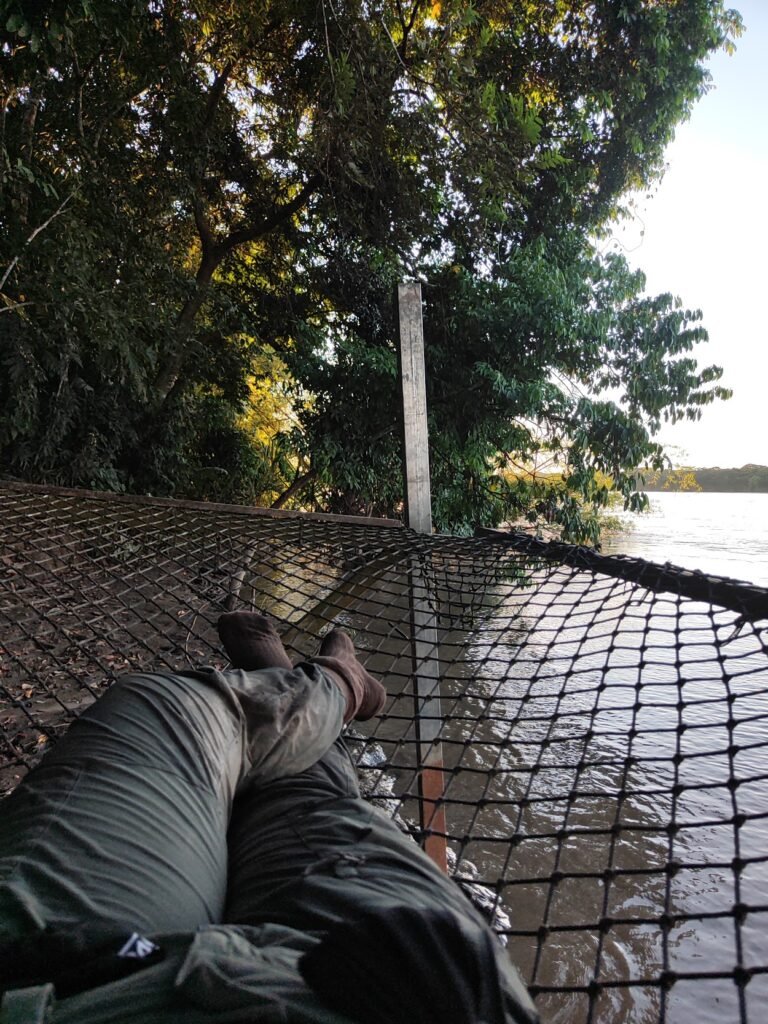
And yet, come to think of it, I had some of the best naps of my life in a hammock by the river at Kawsay. 😉

It feels like adventure, pure joy, and sometimes sadness. But above all, it makes me feel responsible, like I am doing something good, protecting something important and irreplaceable.

And yes… it is addictive!

I want to do more, and I am already dreaming about my next adventure.

Stay tuned to discover where it will take me!

And if you are thinking about starting your own adventure, get in touch. 

If you have questions about nature volunteering, choosing a project or simply don’t know where to start, I’d be delighted to help. Feel free to leave me a message by clicking the button below or to leave a comment here in this post!

Your adventure might be closer than you think.

Useful Links

Leave a Comment

Your email address will not be published. Required fields are marked *